

Kenya’s Car Market Poised for Major Shift by 2030

Kenya’s automotive market is on track for a significant transformation by 2030, with used car imports, electric vehicles (EVs), and auto finance innovations set to reshape the country's transport landscape. Industry analysts and market data forecast a steady evolution, driven by affordability concerns, regulatory changes, and a growing interest in sustainable mobility.
Used Cars Continue to Dominate
Used vehicles remain the cornerstone of Kenya’s automotive market. Valued at approximately USD 1.25 billion in 2025, the used car segment is expected to grow to USD 1.39 billion by 2030, according to research from Mordor Intelligence.
The vast majority of Kenyan motorists prefer pre-owned vehicles, largely due to cost — with average new car prices exceeding USD 13,000, many consumers turn to Japanese and UAE imports available for as little as USD 2,000.
Strict government regulations, however, limit used car imports to vehicles under eight years old, and any changes to these rules could have significant ripple effects across the industry.
New Car Sales See Modest Outlook
The new passenger car market is forecast to see modest revenue, with projections estimating a decline from USD 89 million in 2025 to around USD 86 million by 2029. Market trends suggest a pivot toward compact, fuel-efficient models, while large SUVs may see declining interest amid high fuel prices and a global push toward sustainability.
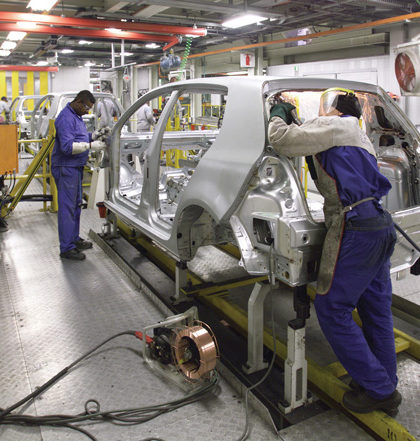
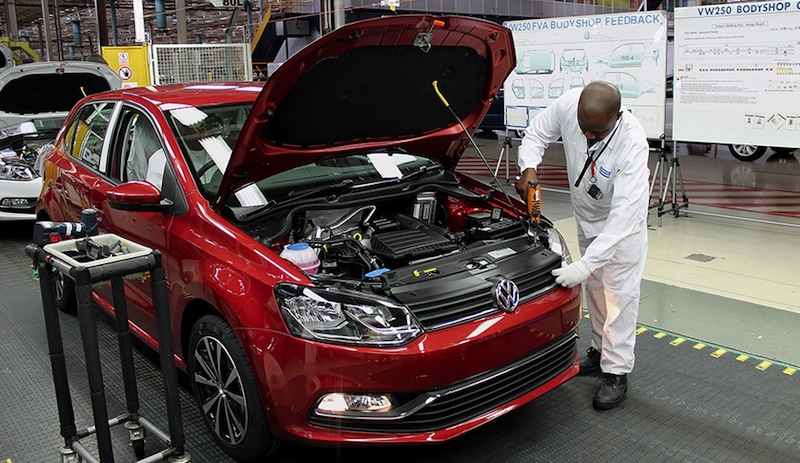
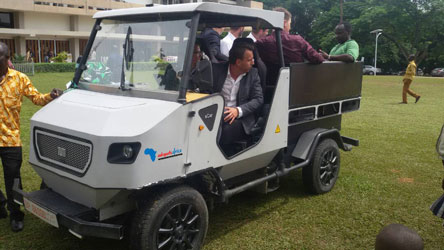
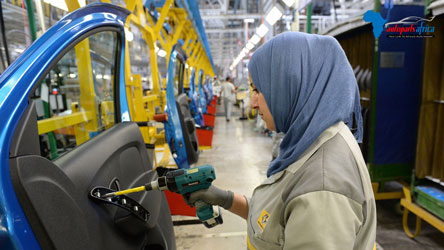
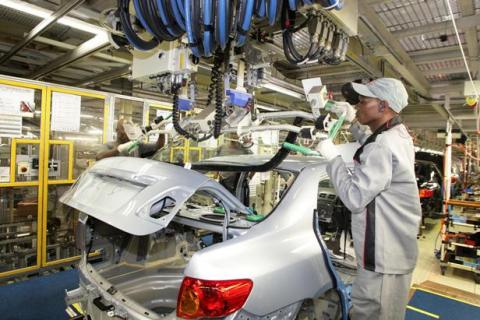
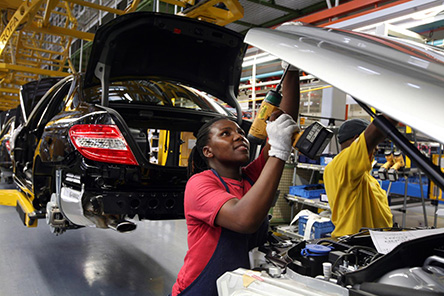
Local assembly is expected to play a growing role. Global automakers such as Toyota, Nissan, and Isuzu have invested in domestic production facilities, while Kenyan firm Mobius Motors continues to build momentum with its locally designed vehicles. Government incentives and reduced import duties further encourage local manufacturing.
Electric Vehicles Enter the Scene
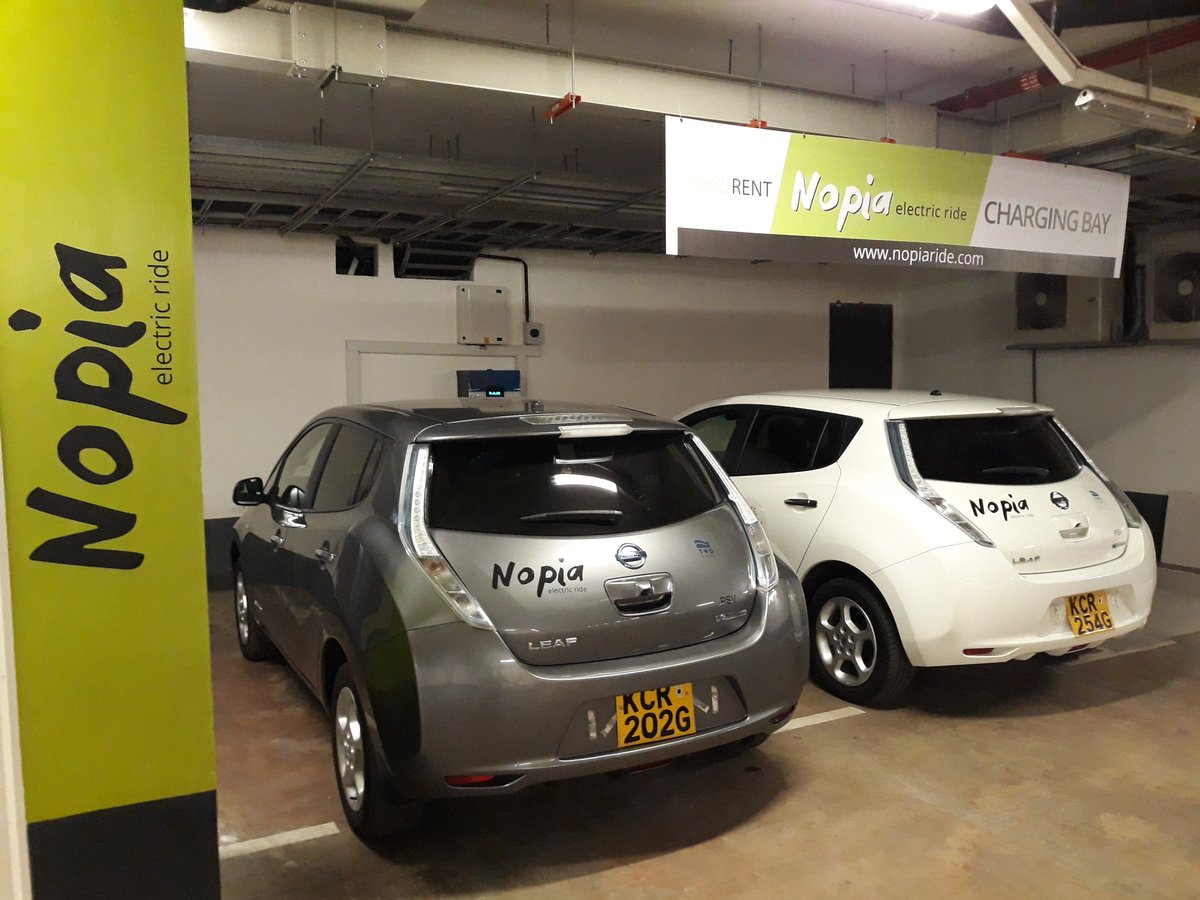
While still in its early stages, Kenya's electric vehicle (EV) sector is gaining traction. Chinese models like the Neta V are already being tested by taxi drivers, while Nairobi-based startup Spiro is expanding its fleet of electric two-wheelers and battery-swapping stations across six African countries. Spiro aims to deploy over two million EV units by 2030.

Despite current limitations in charging infrastructure, the government is backing the sector through Vision 2030 and international climate commitments. Kenya is also among the signatories to the Glasgow Declaration, pledging to phase out new fossil fuel vehicles by 2040.
“We are witnessing the early stages of a shift,” said an industry insider. “By 2030, electric mobility will no longer be a novelty but a necessity.”
Rentals and Ride-Hailing on the Rise
The car rental sector is another area showing strong growth. Revenue from Kenya’s car rental market is expected to increase from USD 171 million in 2025 to USD 205 million by 2030. Urban demand, tourism recovery, and digital booking platforms are all contributing factors. Electric three-wheelers and tuk-tuks are also becoming essential for last-mile transport in cities like Nairobi, Kisumu, and Mombasa.
Financial Inclusion Driving Vehicle Ownership
A surge in auto financing is opening new doors for Kenyan consumers. As of 2023, outstanding vehicle loans reached nearly KES 250 billion. Financial institutions such as Watu Credit, NCBA, and Toyota Kenya Finance are offering tailored loans for both new and used vehicles, fueling greater access to mobility.
Auto financing also plays a crucial role in supporting the commercial vehicle sector, which continues to benefit from the growth of logistics and e-commerce industries.
Technology and IoT: The Next Frontier
Kenya’s automotive market is also embracing digital transformation. The automotive Internet of Things (IoT) sector — including vehicle tracking, fleet telematics, and smart diagnostics — is forecast to grow from USD 206 million in 2025 to USD 243 million by 2029.
Fleet operators and mobility startups are adopting connected vehicle technologies to improve efficiency, safety, and customer service.

Key Takeaways
|
Segment |
2030 Outlook |
|
Used Cars |
Strong growth; affordability remains key driver |
|
New Vehicles |
Flat growth; shift to compact and electric models |
|
Electric Vehicles (EVs) |
Early adoption phase; growing infrastructure |
|
Car Rentals & Ride-Hailing |
Steady growth; supported by digital platforms |
|
Auto Financing |
Expanding access to vehicle ownership |
|
Automotive IoT |
Increasing investment in connected technologies |
Outlook
Kenya's automotive market in 2030 will be shaped by a combination of global trends and local realities. While economic pressures and infrastructure gaps pose challenges, the market shows resilience and a clear appetite for innovation.
Industry stakeholders—including automakers, dealers, fintech firms, and regulators—have a unique opportunity to shape a mobility ecosystem that is more inclusive, sustainable, and digitally integrated.